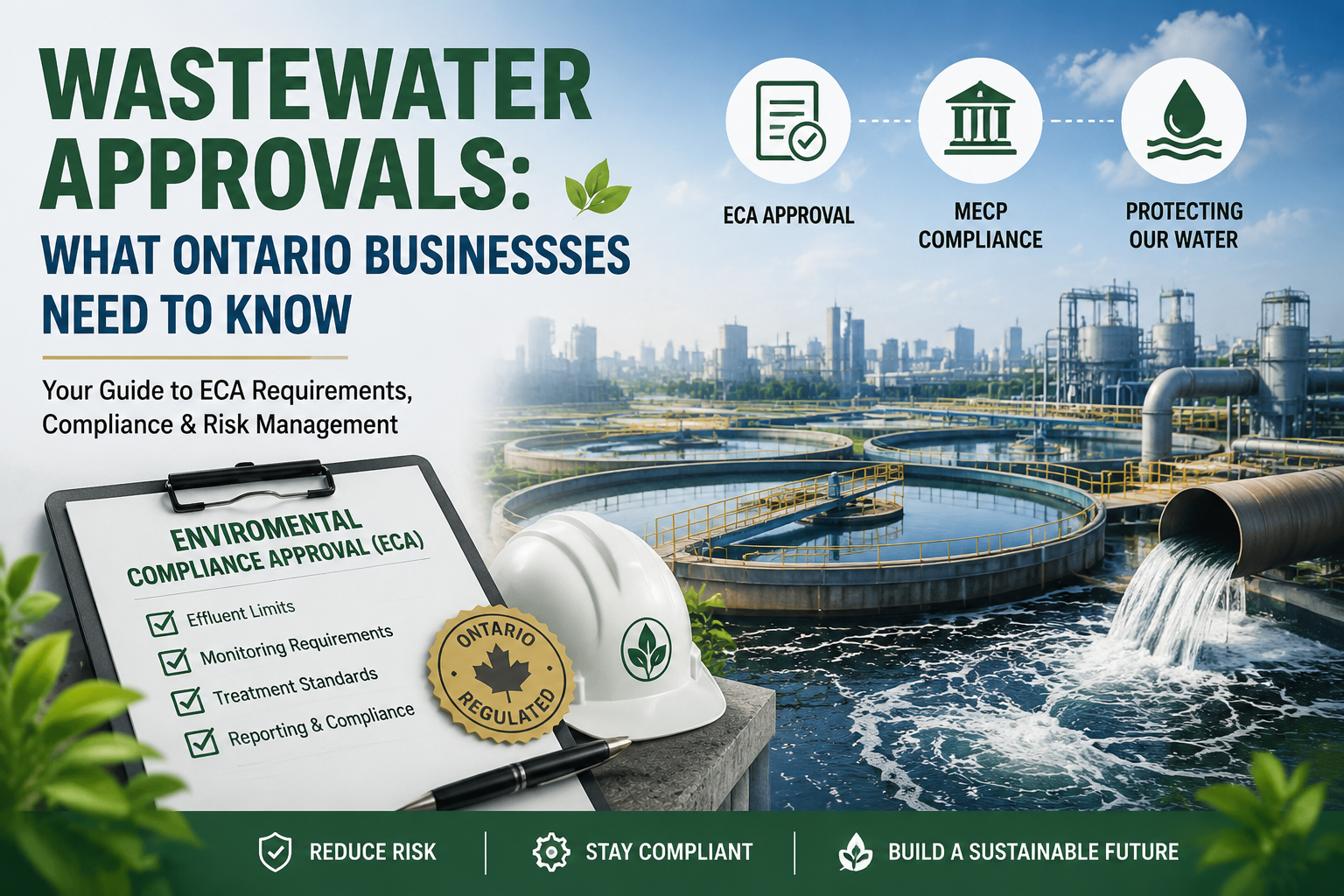
Struggling with wastewater management in your industry? Whether it’s meeting environmental standards or cutting costs, effective water treatment is crucial. In this article, we’ll break down the key steps in wastewater management and show you how to stay compliant while minimizing your environmental impact.
Understanding Wastewater Treatment
Wastewater treatment is the process of removing contaminants from water to make it safe for disposal or reuse. For industries, it’s not just a matter of cleaning water; it’s about optimizing resources, ensuring compliance with legal standards, and fostering sustainability. Industrial wastewater typically contains harmful chemicals, oils, metals, and other hazardous substances. Therefore, effective wastewater management is vital to mitigate environmental risks and maintain operational integrity.
The Wastewater Treatment Process
The wastewater treatment process can be divided into three major stages: primary, secondary, and tertiary treatment. These steps form the foundation of effective Water, Wastewater & Waste Services, helping industries reduce pollutants, protect the environment, and meet regulatory standards.
- Primary Treatment: This is the initial stage where large solids are removed from wastewater through screening and settling. The primary treatment process reduces the overall volume of solids, which are then disposed of or further treated.
- Secondary Treatment: The main goal here is to break down organic pollutants. This step typically involves biological processes, such as activated sludge systems or trickling filters, where microorganisms help degrade organic matter into simpler compounds.
- Tertiary Treatment: This stage is focused on removing any remaining contaminants, often through chemical treatments, filtration, or disinfection. The goal is to ensure that the treated water is safe for discharge into water bodies or reuse in industrial applications.
In industries where water reuse is a priority, additional advanced treatment technologies may be employed, such as reverse osmosis or membrane filtration, to achieve ultra-pure water quality.
Insights from Reddit
A discussion on r/ChemicalEngineering explores industrial wastewater treatment methods, like activated sludge and sedimentation, offering practical industry insights.
Industrial Wastewater: Challenges and Solutions
Industrial wastewater presents unique challenges compared to municipal wastewater. Its composition varies significantly depending on the industry, and it often contains hazardous chemicals that require specialized treatment methods.
Key Challenges in Industrial Wastewater Management
- Chemical Contamination: Industries like manufacturing, chemicals, and textiles generate wastewater containing toxic chemicals and metals. These contaminants can’t be treated using traditional methods and often require customized treatment systems.
- High Flow Rates: Industrial operations often generate large volumes of wastewater that require high-capacity treatment plants. Managing these high flow rates efficiently is a critical challenge.
- Regulatory Compliance: Water treatment regulations are becoming stricter, and industries must ensure that they meet these standards to avoid hefty fines. Complying with environmental regulations such as the Clean Water Act in the U.S. or European Union directives requires continuous monitoring and investment in advanced treatment systems.
Best Practices for Managing Industrial Wastewater
- Invest in Pre-Treatment Systems: Before wastewater enters the primary treatment phase, it should undergo pre-treatment to remove large solids, oils, and grease. This reduces the burden on the primary treatment process and enhances overall efficiency.
- Adopt Water Recycling Practices: Many industries are investing in water recycling systems to reduce their freshwater consumption. Reusing treated water not only helps reduce operational costs but also minimizes the environmental impact.
- Optimize Chemical Use: Reducing the use of chemicals in industrial processes or implementing closed-loop systems can significantly decrease the amount of toxic chemicals in wastewater.
- Regular Monitoring and Reporting: With stricter regulations, regular monitoring of wastewater discharge is essential to ensure compliance. Automated monitoring systems can track pollutants in real-time, alerting industries to potential violations before they become a legal issue.
Sonair Environmental can help you implement these best practices with tailored wastewater management solutions.
Wastewater Treatment Plants in Industrial Settings
Wastewater treatment plants (WWTP) in industrial settings are tailored to the specific needs of the industry. These plants can be either centralized (serving a large facility) or decentralized (serving smaller plants or operations within a facility). The design of the treatment plant will depend on factors such as:
- Type of Wastewater: Whether the plant handles chemical-laden wastewater, effluents with high organic content, or effluents with suspended solids.
- Volume of Wastewater: High-flow operations such as paper mills or food processing plants require robust, large-scale treatment systems.
- Local Regulations: Wastewater treatment plants must be designed to meet local water treatment regulations, which can vary greatly by region and industry.
Case Study: Effective Wastewater Management in a Textile Industry
A Reddit user shared their experience with wastewater management in the textile industry, where they implemented a treatment system that recycled 70% of the water used in production processes. This not only helped the company reduce water usage but also decreased the load on local wastewater treatment facilities. They emphasized the importance of closed-loop systems and biological treatment methods to handle chemical contaminants like dyes and solvents.
According to their report, the system was able to achieve higher efficiency by integrating membrane bioreactors (MBRs), which combined biological treatment and membrane filtration for superior contaminant removal.
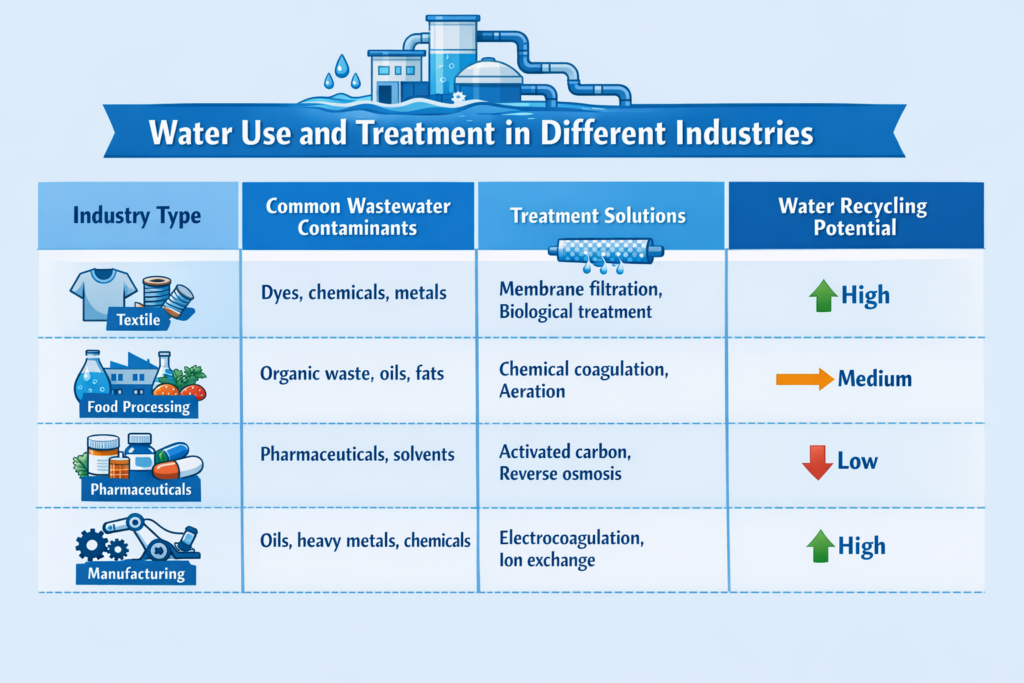
This table provides an overview of wastewater characteristics across industries and offers insights into the best treatment methods for different types of contaminants.
Water Treatment Regulations: Staying Compliant
Industries must navigate a complex landscape of water treatment regulations to ensure they don’t face penalties or harm their reputation. The Environmental Protection Agency (EPA) in the U.S. and the European Union set stringent water quality standards that industries must follow.
Key Regulations
- Clean Water Act (CWA): In the U.S., the CWA regulates the discharge of pollutants into navigable waters. It requires industrial facilities to obtain permits for wastewater discharge.
- European Union Water Framework Directive (WFD): The WFD mandates that member states ensure all bodies of water meet good quality standards and that wastewater discharge is reduced.
Failing to comply with these regulations can result in heavy fines and operational shutdowns. As industries continue to evolve and regulations become stricter, staying up-to-date with the latest standards is crucial.
Conclusion
Effective wastewater treatment and management are essential for industries to minimize environmental impact, comply with regulations, and optimize water use. By adopting advanced treatment technologies, investing in water recycling systems, and ensuring regulatory compliance, industrial operations can significantly improve their sustainability.
Navigating the complexities of wastewater treatment, particularly in industrial settings, requires an understanding of the processes, challenges, and available solutions. The future of wastewater management lies in innovation, efficiency, and collaboration between industries, governments, and communities to ensure a sustainable water future for all.