In today’s business world, air quality monitoring is no longer a luxury—it’s a necessity. Businesses across industries are increasingly recognizing the significant impact air quality has on employee health, productivity, compliance, and long-term operational success. With growing concerns over environmental sustainability and employee well-being, implementing air quality monitoring systems has become essential for maintaining a competitive edge. This article will explore the key benefits of air quality monitoring and why it’s critical for businesses to prioritize it.
Why Is Air Quality Monitoring Important?
Air quality monitoring plays a crucial role in safeguarding public health, ensuring regulatory compliance, supporting air quality studies, and mitigating climate change impacts. Businesses must comply with environmental regulations such as the ECA & EASR in Ontario to maintain proper air quality standards. Key reasons why it’s important include:
- Improving Air Quality: By identifying pollution sources, businesses can implement targeted strategies to improve air quality, contributing to better living conditions and a healthier workforce.
- Regulatory Compliance: Regular monitoring helps businesses adhere to environmental regulations, preventing costly fines and ensuring they meet air quality standards.
- Climate Change Awareness: Monitoring shifts in air quality caused by weather patterns like heatwaves or wildfires allows businesses to understand and address the impact of climate change on local environments.
- Driving Innovation: The data collected supports the development of cleaner technologies and solutions that reduce industrial emissions and promote sustainability.
- Enhancing Public Health: Monitoring air quality helps identify pollution hotspots, enabling timely action to reduce health risks associated with poor air quality.
The Benefits of Air Quality Monitoring
Air quality monitoring offers numerous benefits for businesses, improving not just the physical environment but also long-term profitability, employee well-being, and regulatory compliance. Proper environmental reporting is an essential part of staying compliant and ensuring businesses meet environmental standards. Below, we’ll explore the primary benefits of air quality monitoring.
1. Improving Employee Health and Productivity
Air quality directly affects the health and well-being of employees. Poor air quality can lead to respiratory problems, headaches, and fatigue, resulting in reduced productivity and higher absenteeism. Ensuring good air quality is a key part of occupational health and safety, helping businesses protect their employees’ health and improve overall performance.
- Health Impact: Employees exposed to poor air quality may suffer from asthma, allergies, and chronic fatigue, leading to more sick days.
- Productivity Gains: Clean air helps employees perform better, with studies showing that higher air quality can improve focus and cognitive abilities by up to 15%.
- Real-World Example: A study by Harvard T.H. Chan School of Public Health found that improved air quality in offices led to a 61% improvement in cognitive function.
2. Reducing Absenteeism and Healthcare Costs
One of the key benefits of air quality monitoring is that it not only reduces health-related absences but also lowers overall healthcare costs for businesses. In some cases, ensuring compliance with environmental standards tied to a certificate of property use can further support efforts to maintain healthier indoor air conditions. By improving air quality, businesses can create a healthier workforce and a reduction in healthcare claims and premiums.
- Lower Absenteeism: Employees in healthier environments are less likely to call in sick, ensuring more consistent attendance.
- Cost Savings: Preventing illnesses related to air pollution helps lower healthcare expenses, including insurance premiums and worker’s compensation claims.
3. Ensuring Regulatory Compliance and Avoiding Penalties
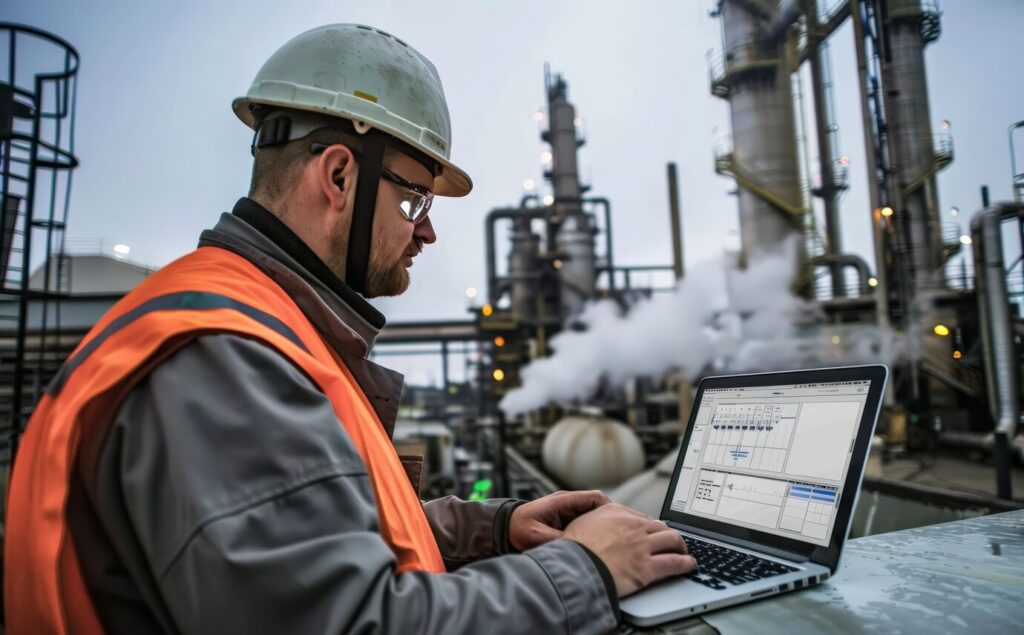
Adhering to air quality regulations is mandatory in many industries. Non-compliance can lead to significant fines and damage to a company’s reputation, which is why businesses should prioritize environmental compliance approvals to stay in line with regulations. ESDM in Ontario ensures that businesses adopt air quality monitoring systems that meet both provincial and federal regulations, helping businesses avoid costly penalties.
- Meeting Legal Standards: Air quality monitoring systems help businesses comply with OSHA, EPA, and other environmental regulations that ensure employee and public safety.
- Streamlined Compliance Reporting: Real-time data collection simplifies the reporting process, allowing businesses to submit accurate compliance documents with minimal effort.
4. Cost Savings Through Improved Operational Efficiency
The cost savings from air quality monitoring can be significant, especially in terms of energy management and equipment maintenance.
- Energy Efficiency: By adjusting HVAC and ventilation systems based on real-time air quality data, businesses can optimize energy use, resulting in lower utility bills.
- Extending Equipment Lifespan: Clean air helps prevent the build-up of dust and pollutants that can damage machinery, extending the lifespan of HVAC systems and reducing maintenance costs.
5. Enhancing Corporate Reputation and Attracting Talent
One of the benefits of air quality monitoring is that prioritizing air quality can improve your company’s corporate reputation and make it more attractive to top talent. Companies that focus on creating a healthy and sustainable work environment are seen as more responsible, which can enhance employee satisfaction and loyalty.
- Building a Green Brand: Companies that monitor and improve air quality position themselves as environmentally responsible, appealing to both eco-conscious consumers and investors.
- Attracting Top Talent: Employees are more likely to stay with companies that value their health and well-being, leading to improved retention rates.
6. Real-Time Data for Smarter Decision-Making
One of the most valuable aspects of air quality monitoring is the ability to make real-time decisions that improve workplace environments. This capability allows businesses to quickly adjust systems, ensuring that air quality remains optimal and employees are consistently working in a healthy environment. For businesses seeking expert guidance, environmental consultants in Ontario can provide the support needed to ensure compliance and enhance air quality management.
- Immediate Action: Businesses can respond to air quality changes immediately, whether it’s adjusting the ventilation system, adding air filtration, or modifying operational practices.
- Data-Driven Insights: Historical air quality data provides actionable insights to guide long-term business decisions, ensuring that air quality remains optimal and regulatory standards are met.
7. Preventing Operational Disruptions and Downtime
Maintaining optimal air quality helps prevent costly operational disruptions. One of the key benefits of air quality monitoring is that it allows businesses to detect issues early, minimizing the risk of equipment malfunctions or production delays.
- Protecting Sensitive Operations: Businesses such as research labs, manufacturing plants, and tech companies depend on maintaining a specific air quality to protect sensitive equipment and data integrity.
- Avoiding Downtime: Poor air quality can lead to machinery malfunctions or product quality issues, both of which can result in significant disruptions. Regular air quality monitoring allows businesses to identify potential issues early and prevent downtime.
8. Supporting Long-Term Business Growth
Investing in air quality monitoring isn’t just about short-term benefits; it’s also an investment in future-proofing your business.
- Preparing for Stricter Regulations: As environmental regulations become more stringent, businesses that already monitor air quality will be better positioned to meet these evolving requirements.
- Sustainability and Expansion: Air quality monitoring helps businesses align with sustainability goals, which can support expansion plans and help secure green certifications that increase appeal to investors and consumers.
The Future of Air Quality Monitoring
As technology advances and air quality regulations tighten, the future of air quality monitoring will bring more accurate, scalable, and integrated systems for businesses to manage their environments effectively.
AI and Predictive Analytics: AI will help businesses predict and address air quality issues proactively, optimizing environmental strategies.
Smart Sensors and IoT Integration: Future systems will offer seamless integration, providing real-time insights from multiple locations.

Stricter Regulations: As governments focus on sustainability, businesses will need air quality monitoring systems to stay compliant with stricter environmental regulations.
Sustainability Focus: Increasing demand for green business practices will make air quality monitoring essential for maintaining a strong reputation and attracting eco-conscious customers.
Conclusion
The benefits of air quality monitoring are clear. By improving employee health, ensuring regulatory compliance, and boosting operational efficiency, it positions your business as a leader in sustainability. Implementing air quality monitoring also helps mitigate risks and reduces unexpected costs associated with poor air quality. As businesses face increasing environmental pressures, staying ahead with air quality monitoring can also improve your brand reputation. If you haven’t yet implemented air quality monitoring, now is the time to take action. Assess your needs, choose the right system, and start enjoying the long-term rewards of a healthier, more efficient, and sustainable workplace.