Construction sites can be great at building the future – and, without the right plan, surprisingly good at generating air pollution. Most impacts come from fugitive dust (PM10/PM2.5) and diesel exhaust. If your question is “how can we prevent air pollution on construction sites?”, the answer is a repeatable system: plan the work, control dust at the source, monitor in real time, train crews, and document everything. Done well, you’ll protect workers and neighbours, stay compliant, and keep projects moving on schedule.
Below is a practical, step-by-step guide you can hand to site managers and subcontractors. It focuses on simple controls that work in the field, clear roles, and data you can show to regulators or clients.
Understanding Where Construction-Site Air Pollution Comes From
Before you can solve a problem, you need to understand what causes it. Air pollution on construction sites typically comes from a small group of very predictable sources:
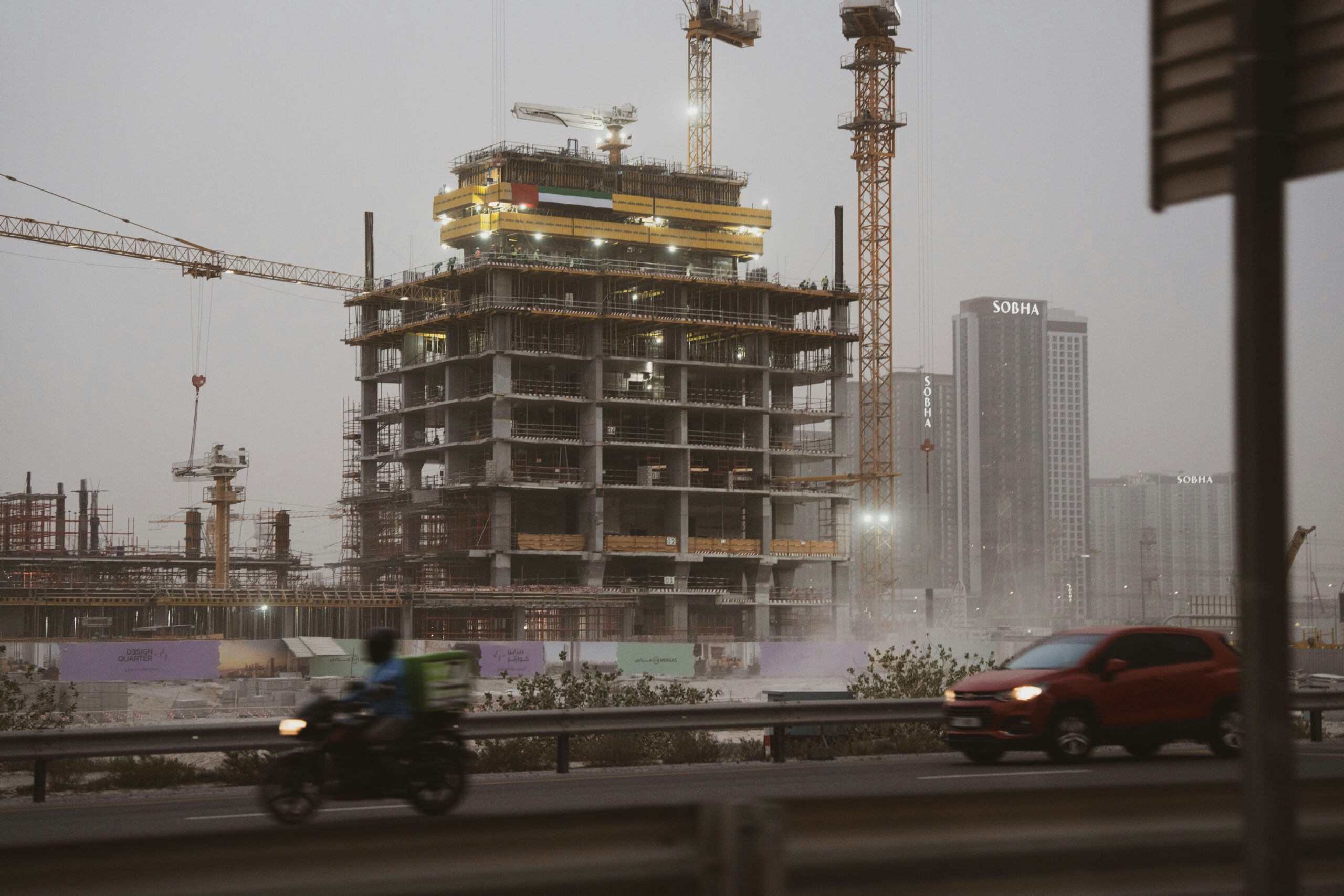
Earthworks kick up loose soils, haul roads get ground into fine particles, and trucks spread sediment wherever they drive. Crushing, drilling, or cutting concrete generates silica dust. Even something as simple as transferring dry materials from one bin to another can create a plume of dust. And behind the scenes, diesel engines – loaders, excavators, generators, pumps, compressors – run for long hours, adding exhaust emissions that settle into the surrounding environment.
What makes construction emissions especially challenging is that they’re often intermittent. Dust plumes appear due to sudden gusts of wind, changes in soil moisture, or moments when site activity spikes. And because they’re unpredictable, the best prevention approach is always proactive rather than reactive.
Start With Smart Planning: A Dust Management Plan That Sets the Tone
Most construction sites jump directly into suppression techniques – water trucks, sweeping, and wheel-washing – but the real foundation is planning. And planning begins with a structured, site-specific risk-based strategy.
This is where a “plan before you build” mindset becomes essential. Dust & Odour Management Plan gives every crew member a clear understanding of what the dust risks are and how to handle them. It outlines where problems are most likely to happen, how weather affects operations, which parts of the site are most sensitive, and what to do during high-impact activities like demolition or concrete cutting.
Such a plan also clarifies responsibilities:
– Who checks weather forecasts?
– Who signs off on monitoring devices?
– Who documents dust events and corrective actions?
When crews walk onto a site with clear expectations, proper controls become routine rather than improvisation.
Waste & Material Handling: One of the Biggest and Most Fixable Air-Pollution Sources
Waste is often underestimated as an air-quality factor, but it’s one of the most preventable contributors to dust. Fine construction waste – drywall dust, crushed concrete, soil, aggregate fines—can easily become airborne with just a bit of wind or equipment movement.
The simplest and most effective actions include keeping waste secured, covered, and contained. Open bins of dusty material should never sit exposed to wind. If you’re storing excavated soils, covering the pile isn’t just good practice – it’s one of the most field-tested dust-reduction methods.
Minimizing drop heights when loading or unloading materials is another underrated tactic. It reduces the force that breaks up material and dislodges dust. Likewise, scheduling especially dusty tasks for days when wind conditions are calmer can make a massive difference.
Waste doesn’t need to be a complicated problem. It’s all about containment, timing, and reducing unnecessary handling.
Stockpiles, Roads, and Daily Operations: Control Dust Where It Starts
If you ask most site supervisors “how can we prevent air pollution during active construction?”, their first thought is usually dust suppression. And for good reason – construction dust is often the most visible environmental concern.
But good suppression strategies aren’t just about spraying more water. They’re about using the right amount of water at the right time, paired with thoughtful site layout and equipment practices.
Stockpiles: Keep Them Covered or Stabilized
Loose soil or fine aggregate piles become dust problems fast.
Options include:
- Covering with tarps
- Applying stabilizers
- Using windbreaks
- Placing stockpiles strategically away from boundaries
Haul Roads: Traffic Control Matters as Much as Water
Traffic is one of the most consistent dust generators. Moisture levels on haul roads should be maintained, especially during dry periods. But traffic management – set routes, slower speeds, and reduced trips – makes an equally large difference.
Preventing Track-Out: One of the Most Visible Dust Issues
Even well-managed sites can still send mud, soil, or dust onto public roads. That’s why stabilised exits, rumble strips, shaker pads, and wheel-wash systems are essential on medium to large sites.
Track-out doesn’t just cause dust – it causes complaints. Preventing it keeps your project in good standing with neighbours and regulators.
Diesel Emissions: Small Changes, Big Improvements
While construction dust gets the most attention, diesel exhaust is still a major contributor to on-site air pollution. The good news is that the most effective solutions are simple operational changes:
- Limit unnecessary idling
- Maintain engines regularly
- Replace or rotate older equipment with lower-emission alternatives
- Site generators and heavy equipment away from receptors when possible
Small adjustments here can significantly reduce particulate and NOx emissions. It’s an area where most sites can improve quickly without major investment.
Cutting, Grinding, and Silica Dust: High-Risk Tasks That Require High-Quality Controls
Silica dust is one of the most hazardous forms of particulate matter on construction sites. Tasks like cutting, grinding, drilling, and crushing concrete produce very fine dust that can travel widely.
The most effective controls are:
- Wet cutting techniques, keeping surfaces continuously wet
- On-tool extraction, pulling dust into a vacuum the moment it’s released
- HEPA-filtered vacuums, ensuring the dust isn’t simply recirculated
Crew training is critical here. Even the best system won’t perform well if water flow is too low or vacuum filters aren’t maintained.
Monitoring: The Key to Preventing Issues Before They Become Complaints
If you’re truly looking for how to prevent air pollution, you can’t rely on guesswork. Real-time air monitoring gives construction teams data they can act on immediately.
Boundary PM10 monitors are especially effective for medium-to-high risk sites. They help answer questions like:
- When do dust levels rise the most?
- Which activities trigger spikes?
- How does wind direction affect emissions?
- Did today’s suppression strategy actually work?
Monitors also allow sites to set action thresholds. When PM10 hits a certain level, supervisors can immediately increase suppression, slow traffic, or temporarily pause dusty activities. This proactive approach avoids complaints, fines, and schedule delays.
For more complex sites, air modelling and emission evaluations guide where monitors should be placed and which activities require the most attention. This is exactly where a service like Emission Summary and Dispersion Modelling (ESDM) becomes essential for proper planning and regulatory submissions.
Training, Complaints, and Documentation: The Human Side of Dust Prevention
Technology helps, but people prevent dust. A well-trained crew can make real-time decisions that keep pollution under control, long before management steps in.
Clear procedures and quick daily check-ins ensure everyone stays aligned. Simple conversations – such as reminding workers to close a skip lid, or assigning a labourer to keep the wheel-wash clear of debris – go a long way.
And when neighbours raise concerns, the best practice is rapid response paired with clear record-keeping. A documented log of actions taken, weather conditions, and monitoring data can prevent small issues from escalating into regulatory problems.
Strong documentation isn’t just about compliance – it’s about credibility. Regulators and clients appreciate when a contractor can clearly demonstrate due diligence.
Approvals and Reporting: Connecting Air-Quality Work to Regulatory Requirements
Depending on your construction activities and equipment, your project may require environmental approvals, modelling, or filings. Knowing whether your site falls under streamlined registration or a full approval is critical.
For example, some Ontario projects may require ECA & EASR approvals. These determine how emissions are assessed, documented, and reported. For more complex activities, air modelling and environmental reporting become part of the process. In these cases, professionals ensure your documentation is complete, accurate, and regulator-ready.
This is where a service like Environmental Reporting becomes valuable – ensuring all information is structured and submitted correctly, avoiding costly project delays.
Pulling It All Together: How Can We Prevent Air Pollution on Construction Sites?
Preventing air pollution on construction sites comes down to a clear and consistent strategy. When teams plan ahead, manage materials responsibly, control dust at its source, and rely on real-time monitoring, construction activities can run smoothly without creating unnecessary impacts on workers or nearby communities. These practical steps not only reduce dust and emissions – they also help avoid complaints, delays, and compliance issues.
For projects that want a structured, professional approach, SonairEnviro offers the expertise to put these measures into action. With services such as a tailored Dust & Odour Management Plan and guidance through ECA & EASR approvals, your site can stay proactive, accountable, and aligned with best practices for preventing air pollution from start to finish.