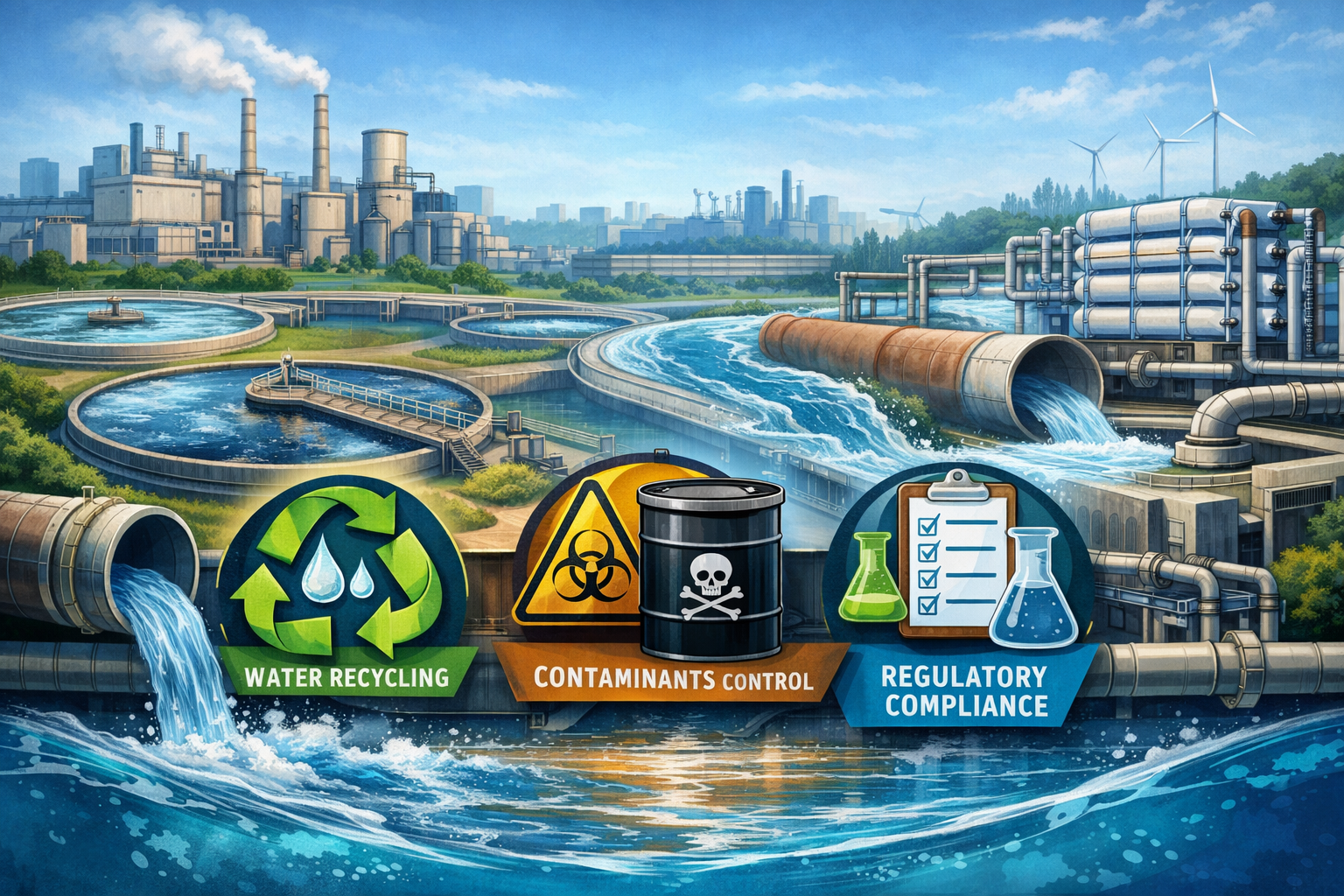
Managing stormwater runoff is not only a regulatory requirement but also a key component of sustainable property management. Whether you own a home, a commercial property, or are involved in a development project, having an effective stormwater management plan (SWMP) is crucial. This article will dive into what a stormwater management plan is, why it’s necessary for every property, and how to develop and implement one. By the end, you’ll understand the benefits, the planning process, and why it’s an essential aspect of property management.
What Is a Stormwater Management Plan?
A stormwater management plan is a strategy that outlines how to manage the flow of rainwater and runoff from your property. This plan aims to control the quantity and quality of stormwater, reducing flooding, erosion, and the contamination of water sources. In essence, a stormwater management plan helps businesses, homeowners, municipalities, and developers handle stormwater efficiently.
A comprehensive SWMP typically includes elements such as:
- Drainage systems that collect and redirect runoff.
- Retention ponds that store excess water to prevent flooding.
- Filtration systems that clean stormwater before it is released into watercourses.
- Best Management Practices (BMPs) such as permeable pavements, green roofs, and rain gardens.
By effectively managing stormwater, you not only protect the environment but also ensure that your property remains safe and compliant with local regulations. Services like water, wastewater, and waste management can be crucial in this process, especially for industries or properties with more complex needs.
Why does every property need a stormwater management plan?
Regardless of your property type—whether residential, commercial, or agricultural—managing stormwater properly is essential. Here are a few reasons why:
Regulatory compliance
Stormwater management isn’t just a good idea, it’s often required by law. Various regulations govern stormwater management, and failing to comply can result in significant fines, legal issues, and environmental harm. Local municipalities and national environmental standards often mandate property owners to have a stormwater management plan to ensure water runoff does not negatively impact local water bodies and ecosystems.

In Ontario, for example, property owners may need to secure specific Environmental Compliance Approvals (ECA) or register through the Environmental Activity and Sector Registry (EASR) before implementing a stormwater management system. These regulatory frameworks help ensure that runoff is properly managed to protect the environment. Understanding the processes behind obtaining an ECA & EASR can simplify your compliance efforts.
Environmental protection
Stormwater runoff is a major contributor to water pollution. When rainwater flows over hard surfaces like asphalt or concrete, it collects pollutants such as oil, trash, and chemicals. This runoff can then flow into local rivers, lakes, or oceans, harming aquatic life and water quality. A well-designed stormwater management system, with elements like retention ponds and filtration systems, can treat stormwater and remove these pollutants before they reach nearby water sources.
Managing runoff is particularly crucial for industrial sites where pollution can be a concern. Solutions such as dust and odour management plans complement stormwater systems by addressing other environmental impacts like air quality and pollutant levels.
Long-term cost savings
Although implementing a stormwater management plan can seem costly upfront, it can save property owners significant amounts in the long run. Proper stormwater management helps prevent flooding, erosion, and infrastructure damage, all of which can be expensive to repair. Investing in an SWMP can prevent damage to your property, saving you from costly repairs down the line.
When businesses invest in comprehensive stormwater solutions, they also protect their assets, ensuring that infrastructure such as roads and drainage systems remain intact. Additionally, businesses with well-maintained stormwater systems may see savings on insurance premiums and penalties for non-compliance.
Public image and corporate responsibility
For businesses, especially those with large properties or multiple locations, stormwater management can be a key component of their sustainability initiatives. Demonstrating that you are taking steps to protect the environment enhances your reputation and shows customers and stakeholders that you care about your environmental impact.
Having a robust stormwater management plan can also positively impact a property’s value. Not only does it reduce risk, but it also improves the aesthetic and environmental appeal of the property. For developers, having an effective stormwater management plan is essential for securing necessary permits and certifications, including the certificate of property use.
The Key Benefits of a Stormwater Management Plan
Implementing a stormwater management plan can provide numerous benefits to your property and the surrounding environment. Here are the primary advantages:
1. Flood prevention & erosion control
One of the main functions of a stormwater management plan is to prevent flooding and soil erosion. By collecting and redirecting rainwater, SWMPs help ensure that excess water doesn’t overwhelm your property. This is especially important in flood-prone areas or places with heavy rainfall. Additionally, proper stormwater management helps stabilize soil and reduce erosion caused by water runoff.
2. Improved water quality
Without an SWMP, stormwater runoff can carry pollutants, such as oil, fertilizers, pesticides, and heavy metals, into local waterways. These contaminants can have serious impacts on water quality, harming aquatic life and disrupting ecosystems. A well-designed stormwater management system, with elements like retention ponds and filtration systems, can treat stormwater and remove these pollutants before they reach nearby water sources.

Stormwater systems also aid in ensuring compliance with environmental reporting standards, which are crucial for maintaining operational transparency and reducing environmental risks. Understanding how to report stormwater management efforts through environmental reporting can help ensure that your system remains compliant with regulations.
3. Property and infrastructure protection
By preventing flooding and erosion, a stormwater management plan protects the structural integrity of your property and infrastructure. This includes buildings, roads, parking lots, and landscaping. For businesses and developments, maintaining the health of these assets ensures that operations continue smoothly without unexpected disruptions or repair costs.
4. Compliance with local and federal regulations
A stormwater management plan helps businesses, municipalities, and developers meet local, state, and federal regulations concerning stormwater runoff. These regulations are in place to protect the environment and ensure the sustainability of communities. Having a plan in place ensures that your property complies with these standards and avoids potential fines or sanctions.
How to Develop a Stormwater Management Plan for Any Property
Developing an effective stormwater management plan involves several key steps. Whether you are a homeowner, a business owner, or a developer, these steps will guide you in the right direction.
Step 1: Assess your property’s stormwater needs
Before you can design an SWMP, you must assess the current conditions of your property. This includes understanding the layout, slope, and size of your property, as well as existing drainage systems. Key elements to assess include:
- Runoff patterns: How does water flow across your property during heavy rainfall?
- Impervious surfaces: Identify areas that cannot absorb water, such as paved roads, parking lots, or rooftops.
- Existing drainage: Evaluate the condition of current stormwater systems and whether they are adequate.
A stormwater audit can help you identify the most effective solutions for your property. For instance, certain land use studies might be required to understand how your property interacts with surrounding areas, which can be covered under land use compatibility & air quality studies.
Step 2: Choose the right best management practices (BMPs)
Once you’ve assessed your property, the next step is to select the appropriate BMPs. These are techniques that help manage and reduce stormwater runoff. Common BMPs include:
- Rain gardens: These are small, vegetated areas designed to absorb rainwater and prevent runoff.
- Permeable pavements: Unlike traditional asphalt or concrete, permeable pavements allow water to flow through and be absorbed by the ground beneath.
- Green roofs: These roofs are covered with vegetation and soil that absorb rainwater and reduce runoff.

Tailor these BMPs to your property type and the challenges you’ve identified during the assessment phase.
Step 3: Collaborate with experts
Although you can develop a basic plan on your own, working with an experienced environmental consultant can ensure your stormwater management plan is effective and compliant with regulations. Environmental experts can provide valuable insights and recommend customized solutions based on your property’s unique needs.
Step 4: Implement the plan and maintain it
Once your plan is developed, the next step is implementation. This may involve constructing retention ponds, installing filtration systems, or upgrading your existing drainage. Afterward, it’s essential to maintain your stormwater system. Regular monitoring and maintenance ensure that your plan remains effective, especially as conditions change or new regulations emerge.
Real-Life Applications: Stormwater Management Across Sectors
A stormwater management plan is essential for various types of properties, each with unique needs. Here are a few examples of how different sectors can benefit from stormwater management:
1. Residential areas
Homeowners can implement simple stormwater management strategies, such as installing rain barrels, grading lawns to direct water to drains, and planting rain gardens. These measures can significantly reduce flooding and prevent waterlogging on residential properties.
2. Agricultural land
For farms, managing stormwater is crucial to prevent erosion and nutrient runoff. Techniques like creating buffer zones, planting cover crops, and implementing proper irrigation systems can help manage water efficiently and protect the soil.
3. Construction projects and development sites
Construction sites require stormwater management plans to prevent sediment pollution and control runoff. Temporary systems such as sediment traps and barriers can be set up during construction, and permanent systems can be put in place once the project is complete.
4. Municipalities and public infrastructure
Municipalities need comprehensive stormwater management systems to manage runoff from streets, parks, and public buildings. By developing a large-scale stormwater management plan, cities can reduce urban flooding, improve water quality, and ensure public safety during storms.
Challenges in Implementing Stormwater Management Plans and How to Overcome Them
While developing a stormwater management plan is essential, there are challenges along the way. These include:
Budget constraints
Implementing stormwater systems can be expensive. However, businesses and property owners can work with consultants to identify cost-effective solutions, such as prioritizing low-cost BMPs or securing government funding for certain projects.
Space limitations
In densely populated areas, space for traditional stormwater systems may be limited. Solutions like underground detention systems or modular stormwater solutions can be implemented to maximize space.
Regulatory changes
Regulations regarding stormwater management can change over time. Staying informed about updates to local, state, or federal requirements will ensure your plan remains compliant and effective.
Maintenance
Regular maintenance is crucial to keep stormwater systems functioning. Property owners must commit to periodic inspections, cleaning, and repairs to maintain the efficiency of their SWMP.
Conclusion
A stormwater management plan is an essential element of property management, regardless of whether you own a home, a business, or a larger development project. It helps protect the environment, ensures regulatory compliance, and provides long-term cost savings. By understanding the steps to develop an SWMP and collaborating with experts, property owners can effectively manage stormwater runoff and contribute to the health and sustainability of their property and surrounding community.
If you haven’t already, it’s time to start evaluating your property’s stormwater needs and consider how you can implement an effective plan. Whether you’re dealing with residential landscaping or managing a commercial site, a stormwater management plan is a step toward a more sustainable future.