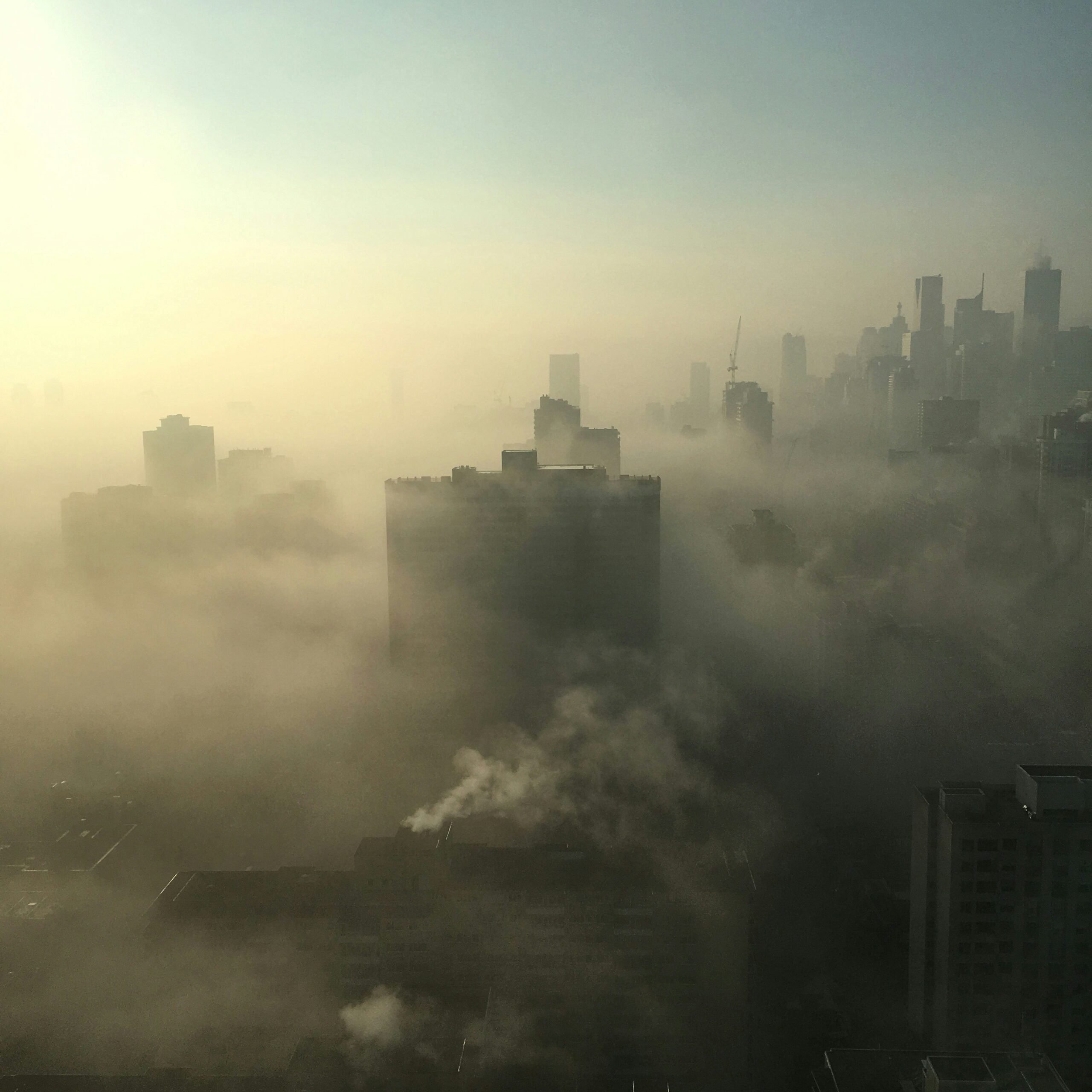
Air pollution is responsible for over 7 million premature deaths globally each year. In urban and industrial settings, where emissions are at their highest, managing air quality is more important than ever. Accurately assessing and predicting how pollutants disperse in the air is crucial for environmental protection and public health. One of the most reliable tools to achieve this is air quality dispersion modeling.
This article will guide you through the basics of air dispersion modeling, its importance in regulatory compliance, and how it can be applied to meet environmental standards and secure regulatory approvals.
What is Air Quality Dispersion Modeling?
Air quality dispersion modeling is a tool used to simulate the movement of pollutants released into the atmosphere. By taking into account various factors, such as emission rates, weather conditions, and terrain, this modeling technique predicts how pollutants will spread and where they will be concentrated. In practice, it helps assess air quality in urban and industrial settings and ensures that emissions comply with established environmental standards.
Why It Matters for Regulatory Compliance
For industries and urban developments, adhering to air quality standards is not optional; it’s a regulatory requirement. Using air quality dispersion modeling, businesses can demonstrate that their operations are compliant with air quality regulations such as the National Ambient Air Quality Standards (NAAQS) in the US and provincial standards like those in Ontario Regulation 419/05. This process ensures that emissions do not exceed harmful levels, thereby protecting public health and avoiding penalties or project delays.
Moreover, air quality dispersion modeling is often a required step in obtaining environmental compliance approvals and permits for new facilities or construction projects. In some cases, it helps evaluate the potential impact of existing facilities on local air quality, leading to informed decision-making and mitigation measures.
Section 1: The Basics of Air Quality Dispersion Modeling
What is Dispersion Modeling?
Dispersion modeling involves simulating how pollutants spread and dissipate in the atmosphere after being emitted from a source. This process helps predict where and at what concentrations the pollutants will be present, thus informing both regulatory compliance and mitigation strategies.
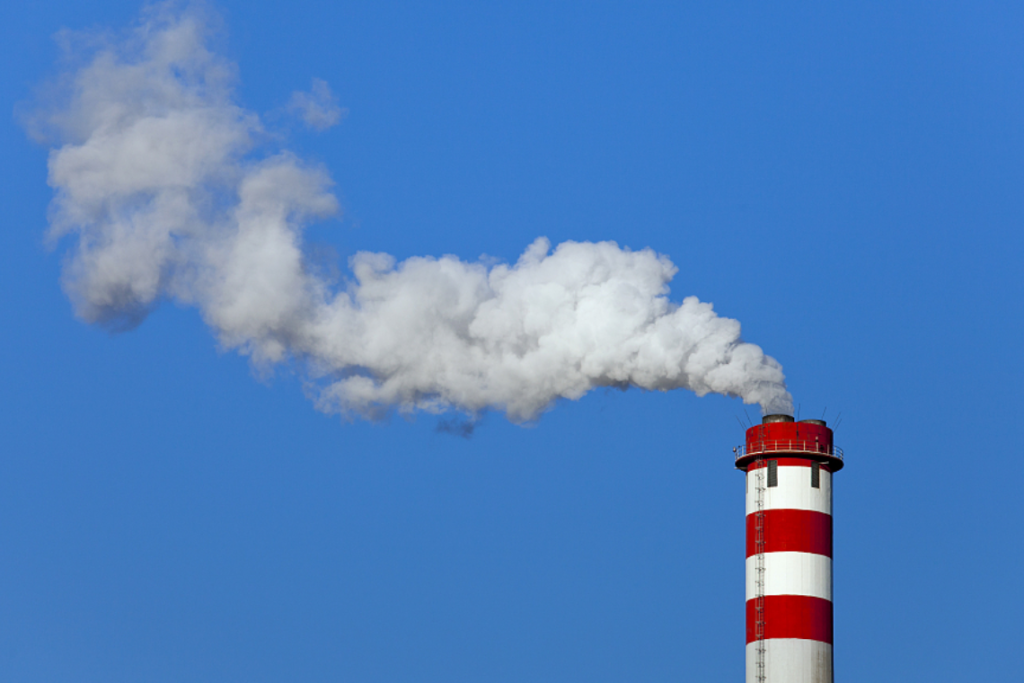
For instance, consider a manufacturing plant emitting NOx and particulate matter (PM2.5). Using dispersion modeling, environmental engineers can predict how these pollutants will move with the prevailing wind patterns, how far they will travel, and where they will concentrate near residential areas.
How Does Air Quality Dispersion Modeling Work?
Air quality dispersion modeling works by inputting several key data sets:
- Input Data: These include emission rates (how much of a pollutant is released), meteorological conditions (wind speed, temperature, humidity), and terrain data (the layout of the land around the emission source).
- Modeling Techniques: There are various models used for air dispersion modeling, with the Gaussian model being the most widely used for regulatory compliance. This model assumes steady-state conditions and works well in flat terrain. On the other hand, puff models like CALPUFF are used in more complex scenarios, such as areas with irregular terrain.
- Output Results: Once the data is processed, the model produces pollutant concentration maps, which show the predicted levels of pollutants at specific receptor points. These results are then compared to ambient air quality standards to assess compliance.
Key Terminology in Dispersion Modeling
- Plume: The trail of pollutants as they spread through the atmosphere.
- Source: The location where pollutants are emitted (e.g., industrial stacks, vehicles).
- Emission Rates: The amount of a specific pollutant released into the atmosphere per unit of time.
- Meteorology: The weather conditions, such as wind and temperature, that influence how pollutants disperse.
- Receptor: The locations where the concentration of pollutants is measured (e.g., residential areas, health facilities).
Section 2: The Different Types of Air Quality Dispersion Models
Overview of Dispersion Models
Dispersion models come in various forms, each suited for different applications. The four main types are:
- Gaussian Models (e.g., AERMOD): These are used in steady-state conditions and are ideal for regulatory compliance, particularly for industrial facilities in flat terrain.
- Puff Models (e.g., CALPUFF): These models are used for non-steady-state conditions and are ideal for more complex terrains or areas with variable emissions.
- Lagrangian Models: These track individual puffs of pollutants as they move over time, often used for forecasting or emergency response.
- Eulerian Models: These are grid-based models that simulate air pollution over large areas, typically used in regional assessments.
Which Model is Right for Your Project?
Choosing the right model depends on several factors:
- Project Size: Smaller projects may benefit from simpler Gaussian models, while larger facilities or complex scenarios may require puff models like CALPUFF.
- Terrain Complexity: Areas with complex terrain (mountains, valleys) need more sophisticated models that account for wind behavior around buildings and topography.
- Regulatory Requirements: Depending on the jurisdiction, certain models may be required for permit applications or compliance reports. For instance, AERMOD is commonly used in regulatory permitting processes and is an approved model under Ontario’s Air Dispersion Modelling Guideline.
- Meteorological Variability: If weather conditions change frequently or unpredictably, using models that can handle transient conditions like CALPUFF may be more appropriate.
Section 3: Key Regulatory Applications of Dispersion Modeling
Regulatory Use Cases for Dispersion Modeling
Air quality dispersion modeling is used in several regulatory applications:
- Emissions Inventory and Reporting: Models help create an inventory of pollutant emissions from various sources and estimate their impacts on local air quality, often as part of an ESDM report.
- Permit Applications and Approvals: Dispersion models are often required when applying for environmental compliance approvals and air quality permits for new or expanding operations.
- Air Quality Impact Assessments: When planning a new facility, dispersion modeling helps assess how the facility will impact local air quality and if mitigation measures are necessary.
Dispersion Modeling and Regulatory Standards
Dispersion modeling plays a crucial role in determining compliance with air quality standards like NAAQS, AQI, and provincial regulations. For example, a steel manufacturing plant using dispersion modeling can determine if its emissions are within acceptable limits set by the Environmental Protection Agency (EPA) or provincial point of impingement limits.
When is Dispersion Modeling Required for Permitting?
There are several scenarios when dispersion modeling is required, including:
- New Construction Projects: Modeling helps evaluate the impact of the project on local air quality.
- Industrial Facilities: Any new facility that emits air pollutants may need a dispersion model to demonstrate compliance with air quality regulations.
- Municipal Planning: Large-scale developments in urban areas may require air quality assessments to determine the effects on the environment, including land use compatibility studies
Section 4: Data Requirements for Air Quality Dispersion Modeling
Meteorological Data
The accuracy of air dispersion models heavily depends on reliable meteorological data, such as wind speed, temperature, and humidity. These data help predict how pollutants will move through the atmosphere. Sources of meteorological data include ground-based weather stations, satellite data, and meteorological forecasting tools.
Emission Data
The type and quantity of pollutants emitted determine how far and wide they will spread. Accurate data on emission rates, stack heights, and source characteristics is essential for building reliable models.
Receptor Locations
Receptor locations are where the pollutant concentrations are calculated. These could be residential areas, schools, or hospitals that might be affected by pollution. Proper placement of receptors is key to assessing potential health risks.
Section 5: Interpreting Results & Reporting Compliance
Model Outputs and Their Interpretation
Once the model runs, it produces pollutant concentration maps and other outputs showing how much of the pollutant will accumulate at each receptor. The results are compared to regulatory standards to determine if the facility is in compliance.
Comparing Results to Standards
Model results are compared to NAAQS or other local air quality standards. If the model predicts higher pollutant concentrations than allowed, mitigation measures (e.g., installing pollution control equipment) may be necessary.
Reporting Compliance
Dispersion modeling results are often compiled into a compliance report to submit to regulatory agencies, demonstrating how a facility meets air quality regulations.
Section 6: Challenges and Best Practices in Air Quality Dispersion Modeling
Common Challenges in Dispersion Modeling
Some common challenges include:
- Uncertainty in Input Data: Data accuracy is crucial. Any errors can lead to inaccurate predictions.
- Meteorological Variability: Weather changes can affect how pollutants disperse.
- Complex Terrain: Modeling in complex terrain can be difficult due to the varying effects of wind and topography on pollutant movement.
Best Practices for Accurate Modeling
- Use Real-Time Data: For accurate results, it’s important to use up-to-date meteorological data.
- Validate Model Outputs: Comparing model predictions with field measurements can improve accuracy.
- Collaborate with Regulatory Bodies: Engaging with regulatory agencies early on can help ensure the modeling meets all required standards.
Section 7: Advanced Topics in Air Quality Dispersion Modeling
Emerging Trends in Dispersion Modeling
New advancements in CFD modeling and machine learning are helping improve dispersion predictions, especially in complex scenarios like urban environments and high-density areas.
Modeling Complex Scenarios
- Urban Environments: Buildings and other structures can affect the flow of pollutants, making it necessary to use more advanced modeling techniques.
- Complex Terrain: In mountainous or hilly areas, pollutant dispersion may behave differently, requiring sophisticated models like CALPUFF.
Conclusion
Air quality dispersion modeling is a crucial part of environmental protection. It helps predict how pollutants spread in the atmosphere and whether a facility’s emissions comply with regulatory standards. Whether you’re in construction, industrial operations, or municipal planning, understanding how dispersion modeling works ensures compliance with air quality regulations, and partnering with Environmental Consultants In Ontario can provide the expertise needed for industrial air quality monitoring and broader sustainability goals like the circular economy in Ontario.