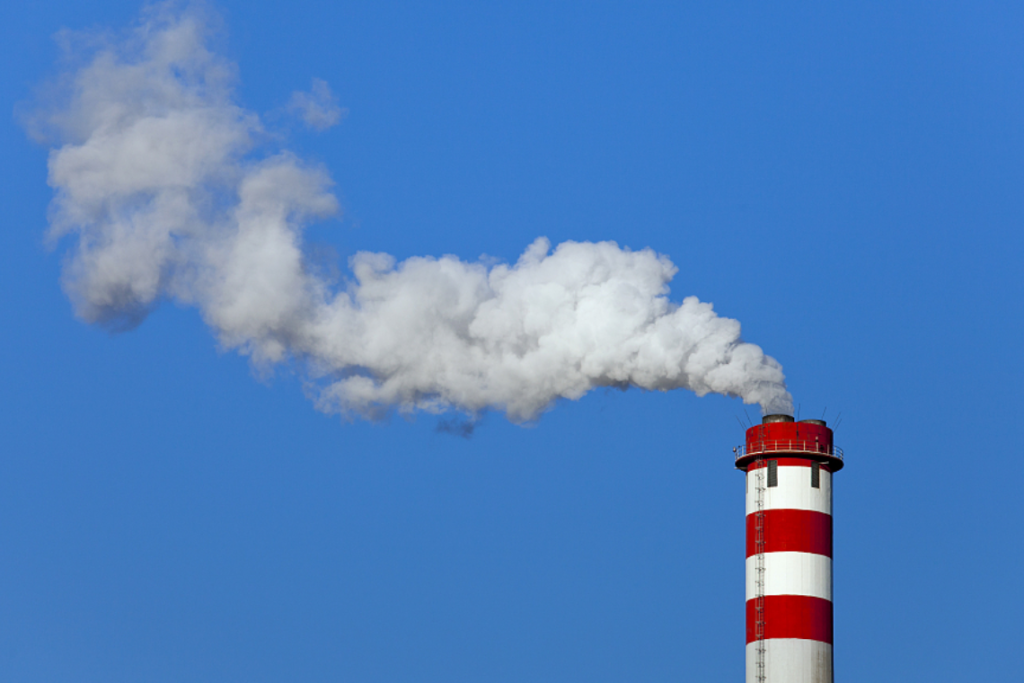
Air quality monitoring in industrial facilities is crucial to maintaining a safe and healthy work environment. It not only ensures the well-being of employees but also helps companies comply with environmental regulations, improve operational efficiency, and safeguard public health. As industries grow and technology advances, the importance of air quality monitoring has become increasingly evident in various sectors, including manufacturing, chemical processing, and energy production.
What is Air Quality Monitoring?
Air quality monitoring refers to the process of measuring the concentration of various pollutants and airborne particles in the environment, particularly in enclosed spaces like industrial facilities. These pollutants may include particulate matter (PM), volatile organic compounds (VOCs), carbon dioxide (CO2), nitrogen dioxide (NO2), sulfur dioxide (SO2), and other harmful substances that can negatively impact air quality. The goal of air quality monitoring is to ensure that the air within the facility is safe to breathe and complies with established health and environmental standards, which are particularly relevant to the environmental sectors in Ontario. These sectors play a key role in enforcing air quality regulations, ensuring that industries meet the required environmental benchmarks.
The importance of air quality monitoring cannot be overstated. It directly affects not only the health and safety of workers but also the environmental footprint of industrial operations. By using advanced sensors and monitoring equipment, companies can track air quality in real-time and take necessary actions when air pollutants exceed safe levels.
Why is Air Quality Monitoring Important in Industrial Facilities?
Air quality monitoring is essential for maintaining a safe and efficient work environment in industrial facilities. Without proper monitoring, hazardous pollutants can build up, posing risks to both human health and equipment. By actively measuring air quality, industries can prevent costly health issues, ensure compliance with environmental regulations, and enhance overall operational efficiency. Understanding the significance of air quality monitoring goes beyond just safety—it’s about optimizing performance, protecting resources, and contributing to a sustainable future. This is particularly important for commercial and institutional environmental sectors, which are responsible for maintaining high environmental standards across various industries. Let’s dive into the key reasons why air quality monitoring is crucial in today’s industrial landscape.
1. Protecting worker health
One of the most significant reasons for monitoring air quality in industrial facilities is to protect worker health. Industrial settings often involve the use of chemicals, machinery, and materials that release harmful particles and gases into the air. Prolonged exposure to poor air quality can lead to respiratory illnesses, allergies, lung disease, and even cancer. Workers in factories, laboratories, and processing plants are particularly vulnerable to these health risks.
By continuously monitoring the air, companies can identify hazardous air conditions before they become serious threats to employee health. For example, if a concentration of toxic gases like ammonia or methane reaches dangerous levels, immediate corrective action can be taken, such as improving ventilation or implementing protective measures for workers. This reduces the likelihood of health-related incidents, decreases absenteeism, and improves overall productivity.
2. Regulatory compliance
Industries are subject to strict environmental and safety regulations that mandate air quality standards. In many regions, regulations such as the Clean Air Act in the U.S., the European Union’s air quality standards, and other local laws require industrial facilities to monitor and control their emissions. Non-compliance with these regulations can result in hefty fines, legal consequences, and reputational damage.

The importance of air quality monitoring extends to ensuring compliance with these laws. Industrial facilities must measure and report air quality levels regularly, demonstrating their adherence to emission limits and pollutant control measures. A robust air quality monitoring system allows companies to keep track of their compliance status and avoid penalties, making it an essential aspect of modern industrial operations.
3. Environmental protection
Industrial facilities can contribute significantly to air pollution if air quality is not monitored and managed effectively. Harmful pollutants, including particulate matter, volatile organic compounds, and hazardous gases, can escape into the environment, causing air, water, and soil contamination. These pollutants have far-reaching effects on local ecosystems, wildlife, and communities, leading to air pollution, climate change, and other environmental issues. To mitigate these risks, environmental compliance approvals in Ontario require industrial facilities to adhere to strict air quality standards, ensuring that emissions are controlled and managed properly to minimize environmental harm.
The importance of air quality monitoring extends to minimizing the environmental impact of industrial activities. By detecting and controlling emissions, companies can reduce their ecological footprint and contribute to cleaner air. This, in turn, helps protect natural resources, reduces the risk of environmental disasters, and ensures that industries operate sustainably. Effective environmental reporting allows companies to track and communicate their efforts to manage emissions, reinforcing their commitment to environmental stewardship.
4. Enhancing operational efficiency
Air quality monitoring also plays a crucial role in optimizing industrial operations. Poor air quality can reduce the efficiency of machinery and processes, leading to increased downtime and higher maintenance costs. For example, high concentrations of dust and particulate matter can clog air filters and interfere with the smooth operation of sensitive equipment. This can result in costly repairs and operational delays. Implementing a dust and odour management plan helps control airborne particles and odors, further reducing the risk of equipment damage and maintaining smooth operations.
By monitoring air quality, companies can identify issues early and take corrective actions to maintain equipment and systems in optimal condition. Moreover, maintaining good air quality can improve energy efficiency, as equipment operating in cleaner environments tends to perform better and consume less energy.
5. Improving public relations
In today’s world, businesses are under increasing pressure to operate in an environmentally responsible manner. The importance of air quality monitoring extends beyond just compliance and safety—it is also crucial for maintaining a positive public image. Companies that invest in air quality monitoring and make visible efforts to reduce their environmental impact are seen as more socially responsible by customers, stakeholders, and the general public.
By taking proactive steps to manage air quality, companies can enhance their reputation, attract environmentally-conscious customers, and differentiate themselves from competitors. Additionally, being transparent about air quality monitoring practices and results can help build trust with the public and demonstrate corporate responsibility.
Types of Air Quality Monitoring Systems
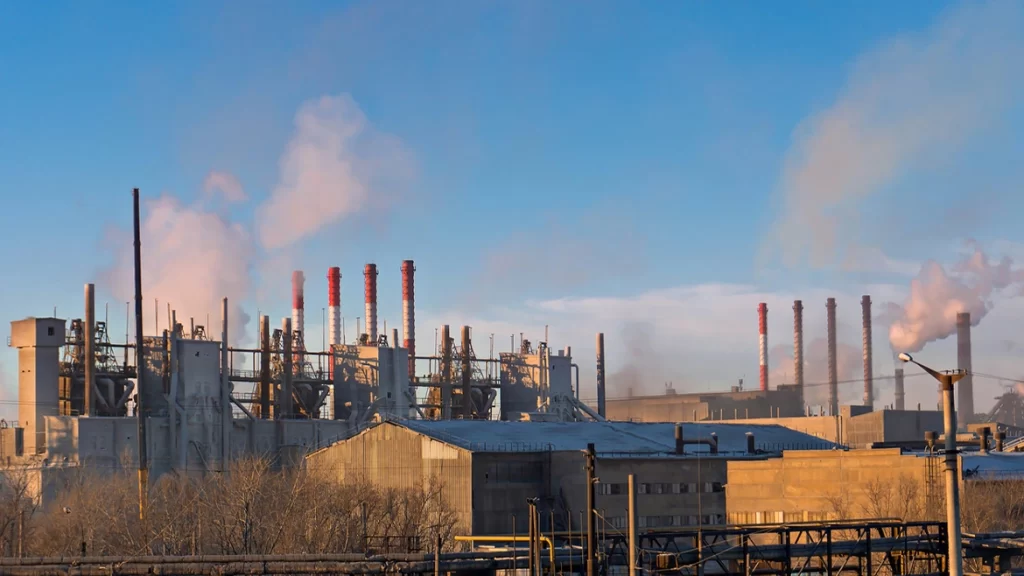
There are various types of air quality monitoring systems available, depending on the specific needs and challenges of an industrial facility. These systems can range from simple manual methods to advanced, automated monitoring solutions that provide real-time data.
1. Fixed monitoring stations
Fixed monitoring stations are installed at specific locations within the facility to continuously monitor air quality. These systems are typically equipped with sensors that measure specific pollutants, such as particulate matter or VOCs. They provide real-time data that can be used to assess air quality and trigger alarms if pollutant levels exceed predetermined thresholds.
2. Portable monitoring devices
Portable monitoring devices are useful for spot checks and mobile applications. These devices can be carried by workers or technicians to measure air quality in different areas of the facility. They are particularly valuable for areas where fixed monitoring stations are impractical or for conducting periodic checks in remote parts of the facility.
3. Remote sensing and cloud-based systems
Remote sensing and cloud-based systems allow for continuous monitoring of air quality across multiple locations in real-time. These systems provide access to data through online platforms, enabling facility managers and environmental officers to track air quality remotely. Cloud-based systems often integrate with other facility management tools, allowing for streamlined reporting and decision-making.
Conclusion
The importance of air quality monitoring in industrial facilities cannot be overstated. It is essential for protecting employee health, ensuring regulatory compliance, safeguarding the environment, optimizing operational efficiency, and improving a company’s public image. As industrial operations continue to evolve, investing in advanced air quality monitoring systems will help businesses stay ahead of regulatory requirements, improve employee well-being, and contribute to a healthier planet.
FAQs
Key pollutants include particulate matter (PM), volatile organic compounds (VOCs), carbon dioxide (CO2), nitrogen oxides (NOx), sulfur dioxide (SO2), and ozone. Monitoring these pollutants ensures safe working conditions and compliance with regulations.
By continuously measuring air quality, companies can detect dangerous pollutants early, preventing respiratory issues, allergic reactions, and long-term health problems among workers.
Yes, by maintaining good air quality, companies can prevent equipment malfunctions, reduce maintenance costs, and enhance energy efficiency, ultimately lowering operational expenses.
Industrial air quality monitoring is subject to regulations such as the Clean Air Act in the U.S. and the EU’s air quality standards, which set limits for specific pollutants and emissions from industrial facilities.